


A warehouse full of one-of-a-kinds.
Walk into Vintage Folk's Manchester warehouse on any given week and you'll find container-loads of clothing freshly arrived from textile recycling plants across the UK, Europe and the USA. Carhartt jackets. Levi's denim. Nike and Adidas from the era when the logos were stitched, not printed. Football shirts that someone, somewhere, wore to a match that mattered.
Since 2017, the Vintage Folk team has done the same thing with each of those items: sort it, grade it, check it, and decide whether it's good enough to represent the brand. They have built a reputation on handpicked vintage with real condition info on each product and a community that trusts them to deliver quality and consistency.
But the challenge with selling vintage at scale is that every item is unique. There's no barcode to scan, no catalogue info to copy, no 'qty: 500' to type into a box. Each piece needs its own title, its own description, its own price, its own photos. When you multiply that by container-loads you don't have a sourcing problem or a demand problem. You have a listing problem.
“Sourcing quality stock was never our bottleneck. Getting it online, fast enough, was. With Thriftify we've saved 20 minutes per listing which means we can now scale our e-commerce.”
Same warehouse. Same stock. A completely different week.
Here's what listing a container-load looked like before Thriftify compared with what it looks like now.
Listing a fresh delivery.
A container lands, and your heart sinks a little
Hundreds of unique pieces just arrived, and every single one needs listing from scratch before it can earn a penny.
Writing every title by hand
“Vintage 90s Carhartt Detroit Jacket Brown Medium”, typed out, one at a time, item after item after item.
Pricing by trawling sold listings
Open eBay, search comparables, scroll, guess, second-guess, pick a number, repeat for the next 200 items.
Managing multiple tools
List it on Shopify, reformat it for eBay, use separate barcode printing software, and probably 2 to 3 spreadsheets.
Wrangling photos across devices
Shoot on the phone, transfer to the desktop, rename, crop, match each image to the right item without mixing them up.
Inconsistent data, item to item
Different team member, different style, different level of detail. Quality that wobbled depending on who was listing that day.
The backlog that never cleared
New stock arriving faster than it could be listed, so the best pieces sat in boxes instead of selling.
Hours lost to admin
Big drop coming. Big event this weekend. So the team stays late, again, just to get enough stock live in time. Sales campaign means manual discounts. Finance report means hours across multiple systems and Excel.
The same delivery, now.
A container lands, and the team gets excited
Fresh stock means fresh listings going live the same day, not a backlog building up in the corner.
Photos in, titles written for you
Upload the image. Thriftify writes the title, brand, era, category, size: accurate and channel-ready in seconds.
Smart pricing on every piece
Market-tested valuations and RRP suggestions for each item, so nothing's underpriced and nothing sits too long.
List once, live everywhere
One workflow creates barcodes and pushes channel-correct listings to Shopify and eBay. Everything is unified in one easy-to-use system.
Photos handled, backgrounds clean
Connected directly to cameras. Images are ingested and optimised automatically, backgrounds removed, ready to go.
Consistent quality, every item, every lister
The same high standard on every listing, whoever's working. The high quality the brand was built on can be scaled.
The backlog clears, and stays clear
Listing keeps pace with sourcing, so the best pieces hit the site while they're still fresh and in demand.
One simple tool to run everything
Thriftify provides automated discounting rules, customisable CSV reports, user management and permissions. Everything needed to sell vintage at scale, in one platform.
Same passion for high quality vintage. None of the grind behind it.
What changed.
Our goal has always been to find and supply the highest quality vintage clothing. But to grow you almost have to become a tech company as well, because there's so much work involved in running e-commerce. Sourcing quality stock was never our bottleneck. Getting it online, fast enough, was. With Thriftify we've saved 20 minutes per listing which means we can now scale our e-commerce. We can now focus on what we're good at, and what we enjoy.”

A look inside the warehouse.
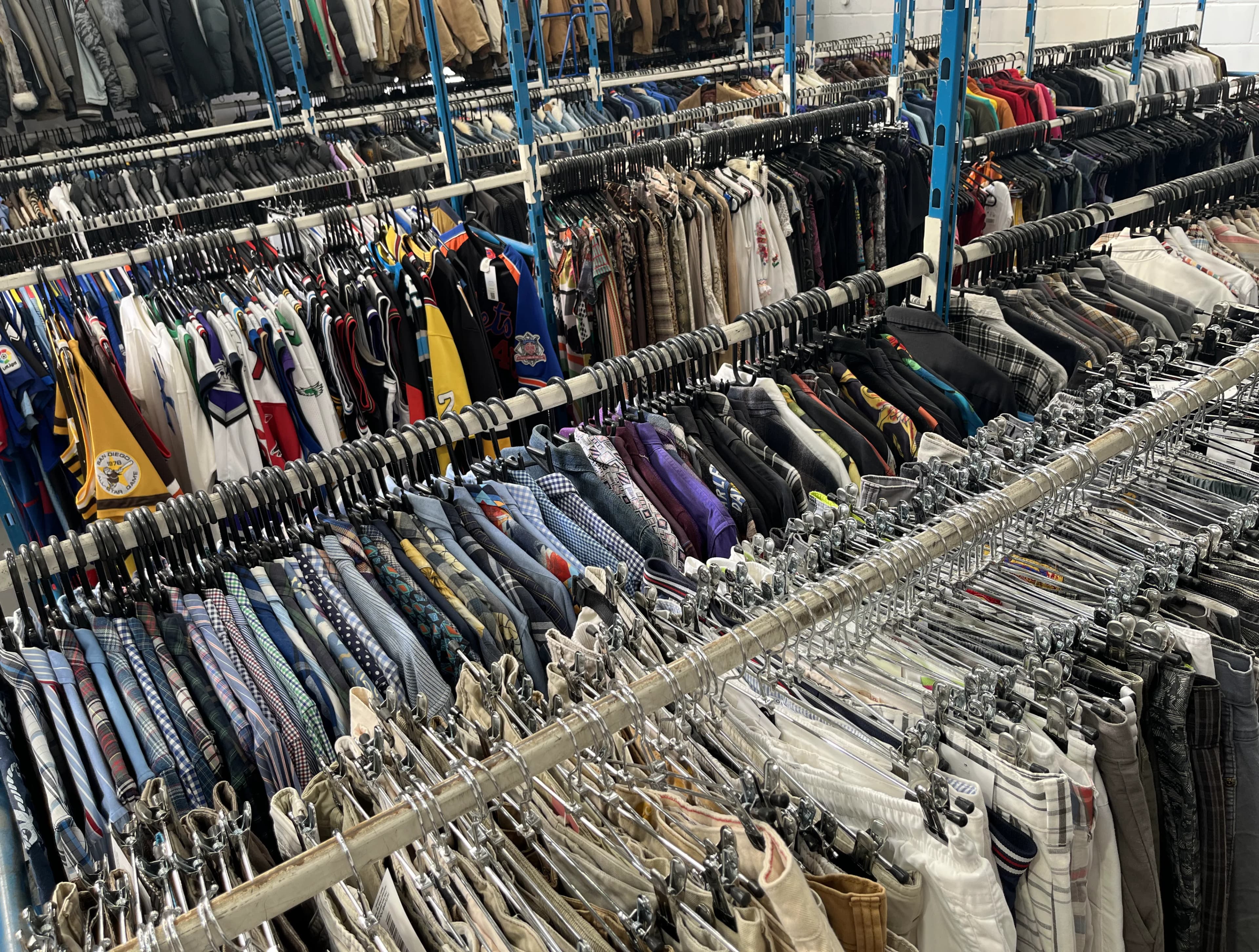
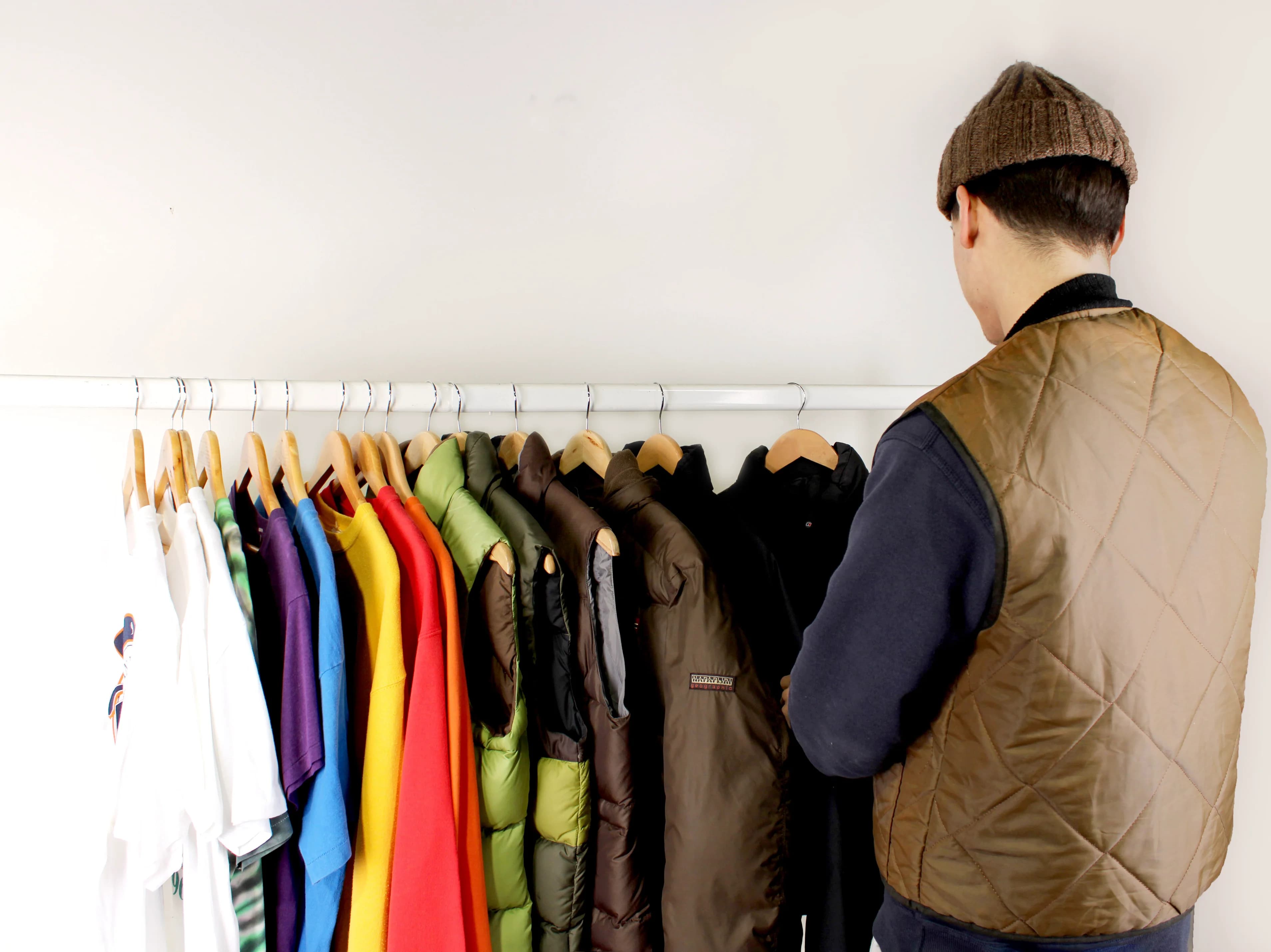
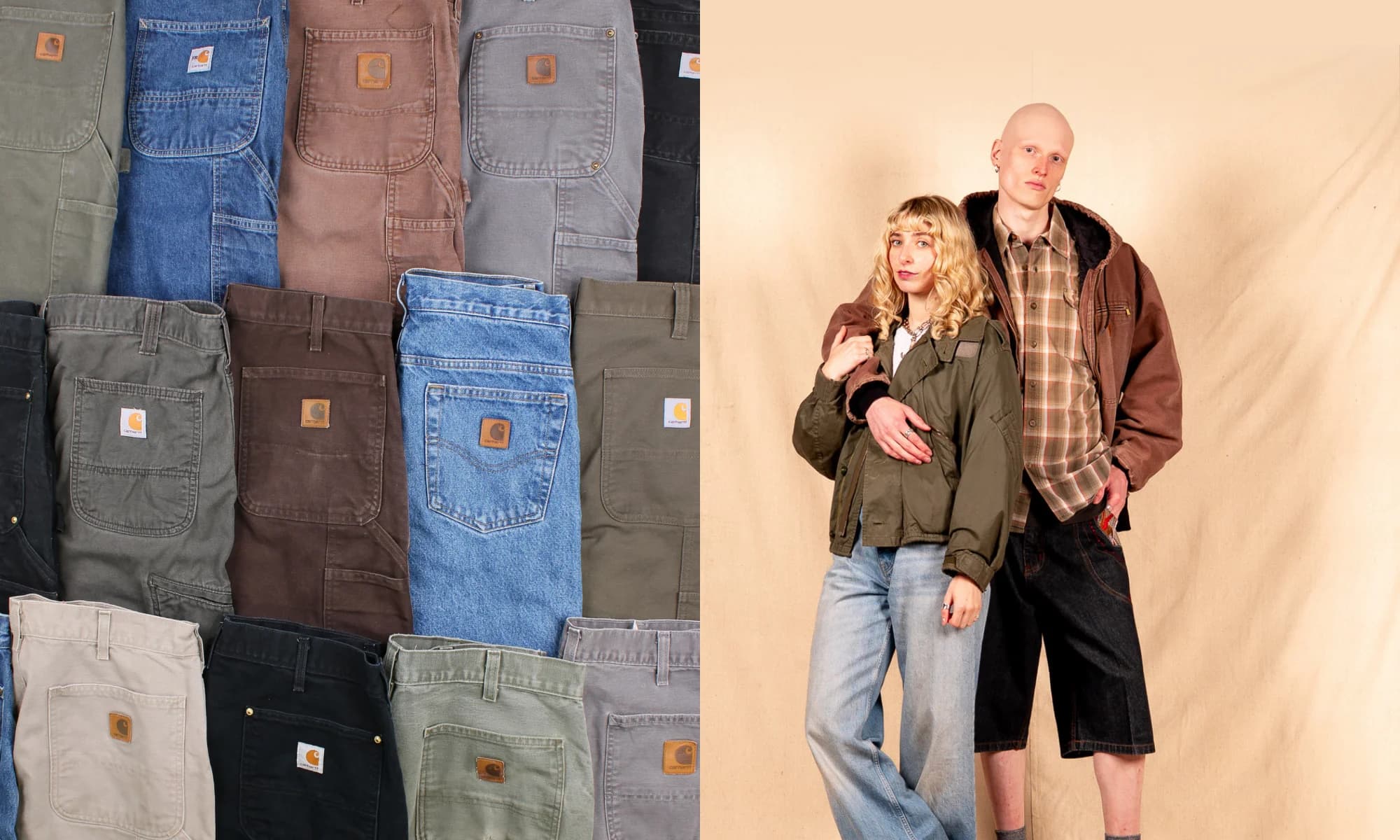
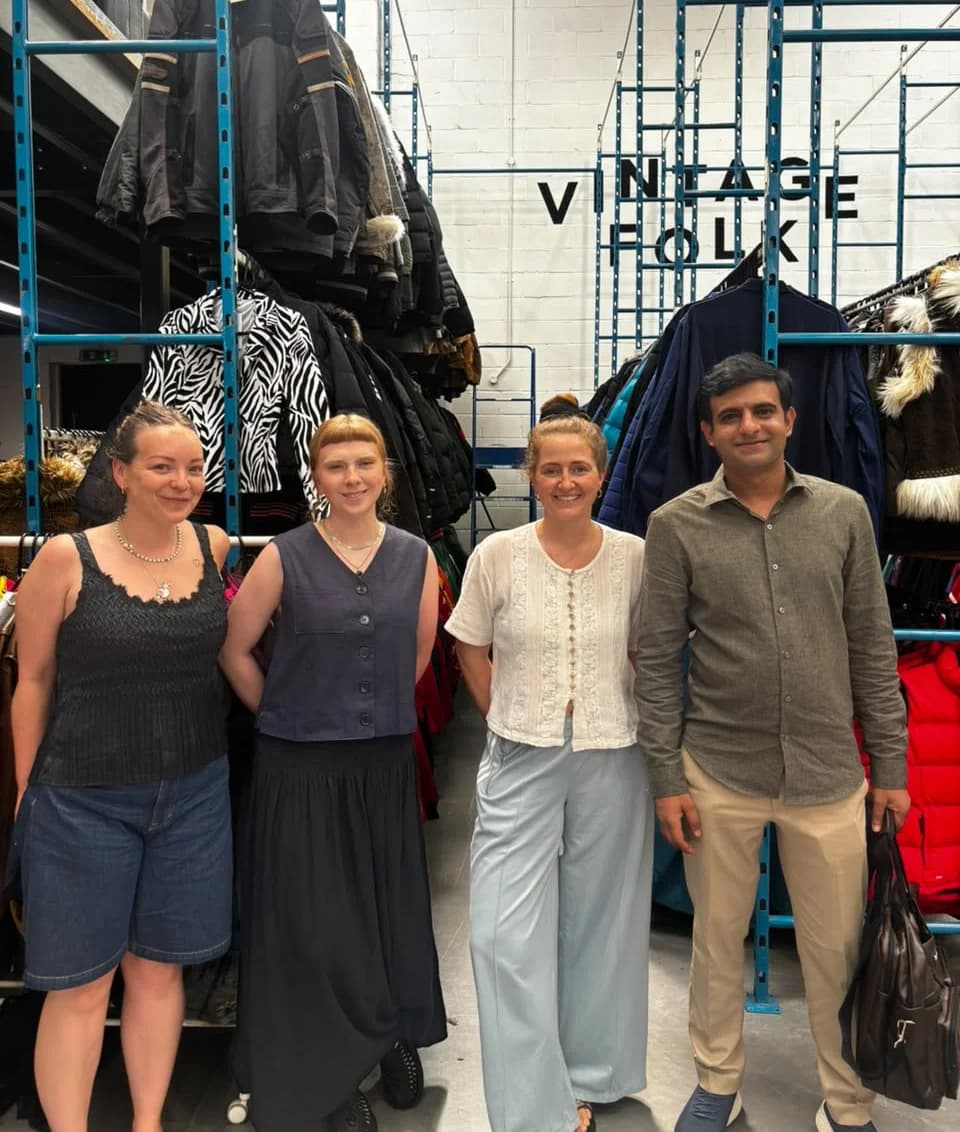
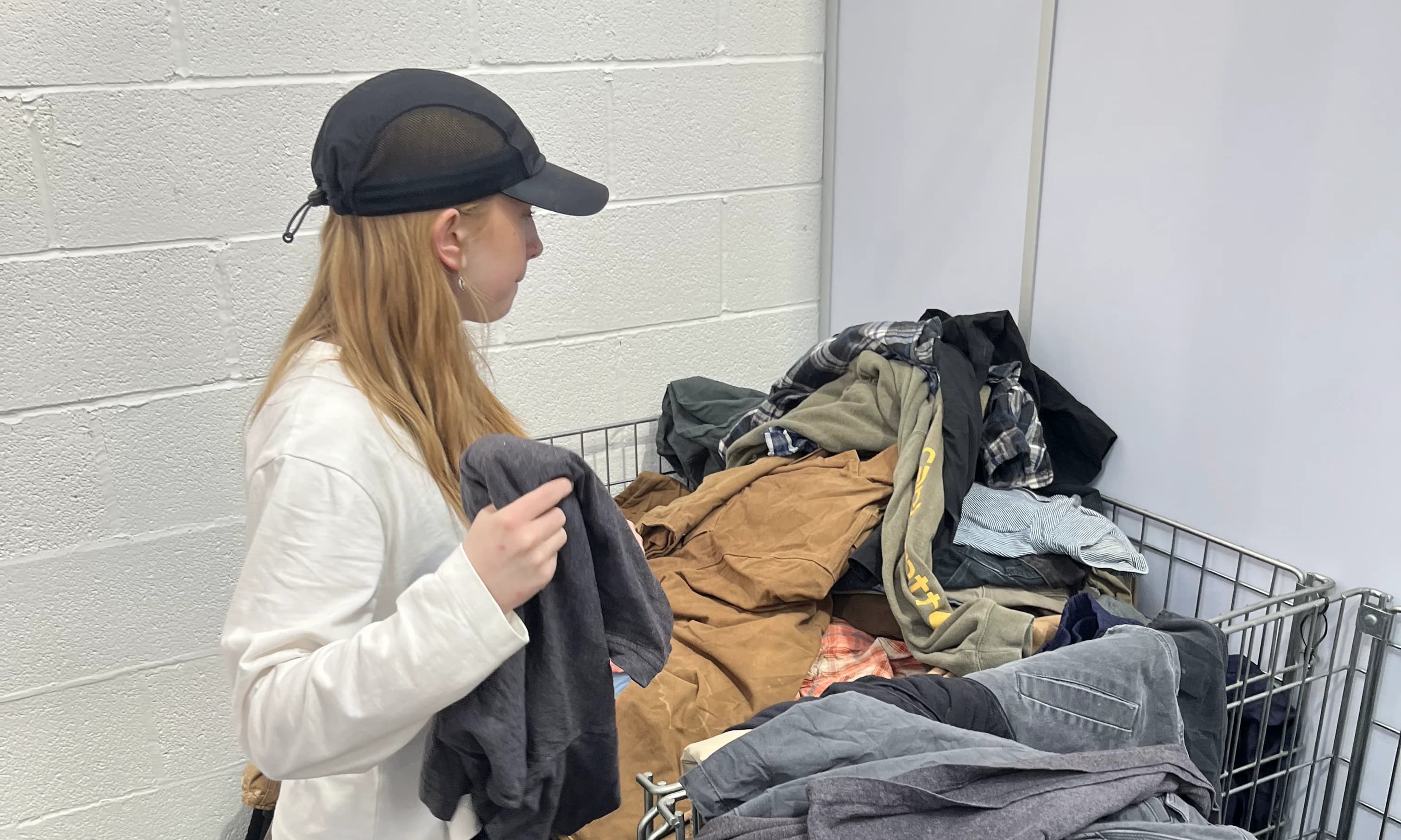
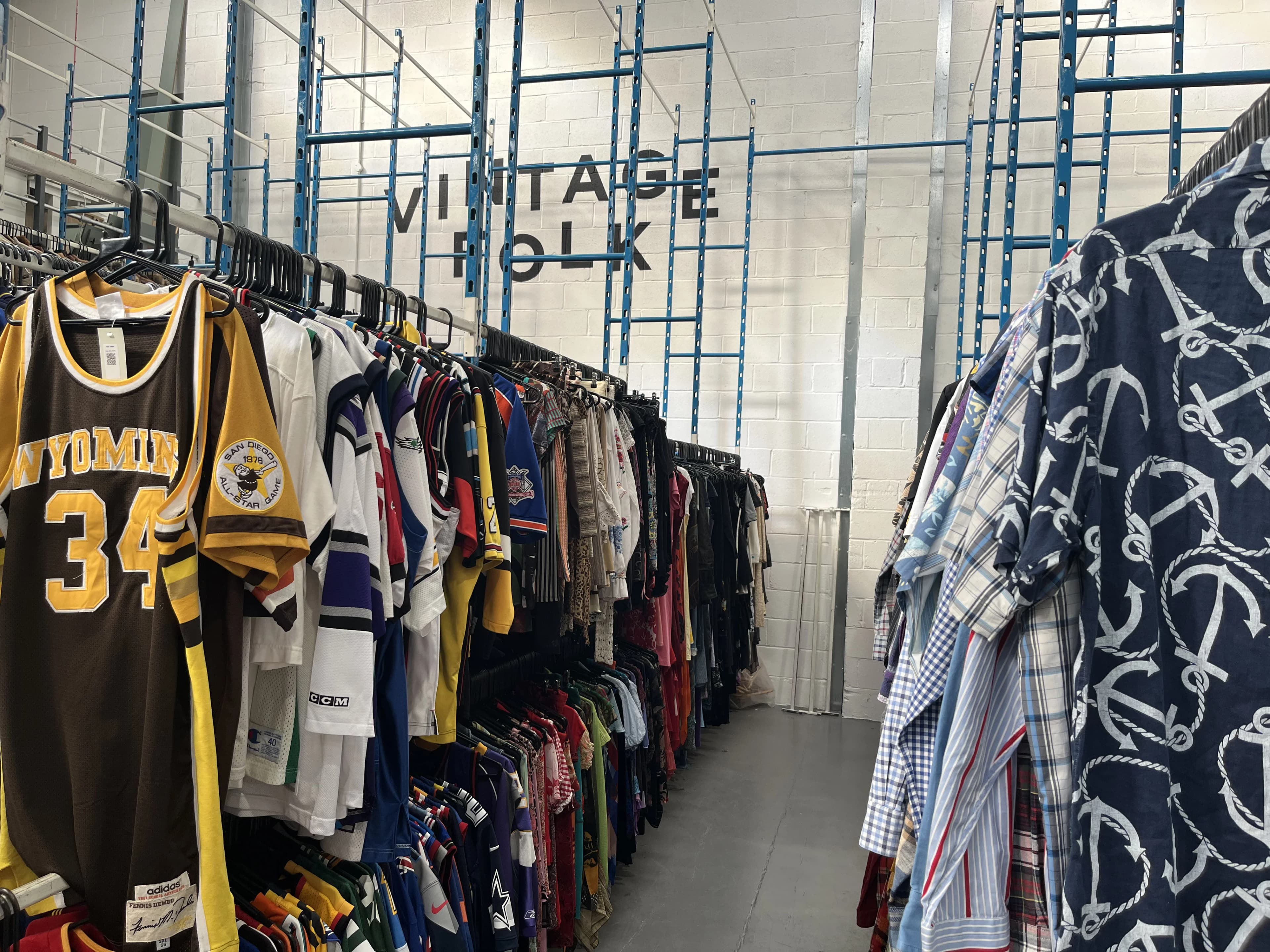
Vintage Folk, Manchester. Rescuing the best of 80s, 90s and Y2K fashion since 2017. Pictured with Aamir Shahzad, Thriftify Tech Lead.
The impact of saving 20 minutes per listing.
Enabling Vintage Folk to spend more time focusing on what they enjoy also has big commercial benefits.




More events. More stock. More of what they're good at.
Vintage Folk's ambition was never to become a software company. It was to put more great vintage in front of more people, through the website, through wholesale, and through the Thrift Events that bring their community together in Manchester and at universities up and down the country.
Taking the listing bottleneck out of the equation means the team can say yes to more of that. More stock through the door without dreading the admin behind it. More events without the week-before scramble. More time spent on the buying, the curation and the community; the things that made people fall for the brand in the first place.
Same warehouse. Same passion. A lot more room to grow!
Building a vintage business?
If you're running a vintage clothing business and considering whether Thriftify can support, book a demo now. We'll walk through your goals and show you how Thriftify can help.